
In today’s digital world, SEO and social media no longer work separately. While SEO drives search visibility, social media builds community and engagement. When combined, they create a powerful digital ecosystem that helps brands grow faster and stronger. SEO builds your long-term discoverability on search engines, while social media expands your reach, engagement, and brand personality. When these two align, they create a unified digital presence—helping businesses attract the right audience, drive consistent traffic, and build lasting trust.
This article explores how SEO and social media complement each other, the benefits of integrating both, and actionable ways to make them work hand-in-hand for sustainable growth.
SEO vs Social Media
Before exploring how they connect, it’s essential to understand their individual strengths.
SEO focuses on improving your website’s visibility on search engines like Google. It involves keyword optimization, technical performance, backlinks, and high-quality content to earn higher rankings. The goal is to attract organic traffic and build authority.
Social Media, on the other hand, centers around engagement, community building, and storytelling. Platforms like Instagram, LinkedIn and Facebook help brands connect with audiences, build personality, and drive awareness.
Individually, each is powerful—but when combined, SEO and social media amplify each other’s reach. Social media boosts SEO by increasing visibility and backlinks, while SEO helps create content that performs better on social platforms.
How Social Media Boosts SEO
Although Google has confirmed that social signals (likes, shares, comments) don’t directly impact rankings, social media still indirectly strengthens SEO in several ways. Let’s break down how.
1. Drives Website Traffic
Every time you share a blog post, video, or product link on social media, you open up another pathway for visitors to find your website. This referral traffic indicates to search engines that your site is relevant and valuable.
A brand that consistently shares quality, helpful content through social media encourages people to visit their website, which eventually boosts visibility in organic search.
2. Builds Backlink Opportunities
Backlinks are a major SEO ranking factor. The more trustworthy websites link to yours, the more authority you build in search rankings. Social media is a perfect platform for content discovery—where journalists, bloggers, and creators may find your posts and cite them.
A single viral LinkedIn article or infographic on Twitter can attract dozens of backlinks from other sites. This not only improves ranking but also drives continuous traffic over time.
3. Strengthens Brand Authority and Branded Searches
When your brand is active on social media, people become familiar with your name, products, or services. Over time, they start searching for you directly on Google—known as branded searches.
Search engines interpret frequent branded searches as a signal of trust and credibility. This can positively influence your site’s ranking for both branded and non-branded keywords.
4. Accelerates Content Indexing
Social sharing helps new content get discovered faster. Search engines often crawl high-traffic platforms like Twitter, LinkedIn, and Reddit frequently. When you share new content there, it’s likely to be indexed sooner, which helps new pages appear in search results faster.
5. Offers Keyword and Content Insights
Social media is a goldmine for trend discovery. By observing hashtags, trending topics, and the kind of content that performs best, you can identify the keywords and subjects that resonate most with your audience.
For example, if you notice consistent engagement around “AI in marketing” on LinkedIn, that’s a clue to create SEO-optimized blog content around similar topics.
How SEO Enhances Social Media Performance
While social media boosts SEO visibility, the reverse is also true. Strong SEO practices can improve the reach, quality, and effectiveness of your social content.
1. Improves Content Quality
SEO emphasizes value-driven content that’s informative, structured, and keyword-optimized. When this kind of content is adapted for social media—say, as carousels, snippets, or reels—it naturally performs better because it’s already designed with clarity and relevance.
This ensures your posts provide real value, not just aesthetics or engagement bait.
2. Increases Discoverability
Social platforms have their own internal search systems. Users search for keywords, hashtags, and phrases within apps. By applying SEO strategies—like keyword-rich captions, optimized hashtags, and descriptive alt text—you make your posts more searchable both on platforms and in Google results.
3. Optimizes Profile Visibility
A well-optimized profile acts like a landing page for your brand. Include relevant keywords in your bio, link to your main website, and use consistent NAP (Name, Address, Phone) details across platforms.
Optimized social profiles can even appear on Google search pages, increasing brand exposure beyond your website.
4. Enables Cross-Platform Consistency
SEO teaches content creators the importance of structure and clarity. Applying these principles to your social media—consistent messaging, strong CTAs, and relevant keywords—ensures a unified brand identity across all digital touchpoints.
5. Repurposes SEO Content for Social Platforms
Your SEO-optimized blog posts, guides, and videos can easily be repurposed into bite-sized social media content. This keeps your posting schedule active without starting from scratch.
For instance, a long-form article about “Digital Marketing Trends” can be turned into a carousel, a short video, and a LinkedIn post—maximizing visibility through both SEO and social channels.
How to Integrate SEO and Social Media
The key to success is strategic integration. Here’s how to make SEO and social media work together effectively:
1. Create Shareable, Optimized Content
When creating blog posts, infographics, or videos, design them for both search and social media. Write engaging headlines, use eye-catching visuals, and include SEO-friendly metadata.
Each piece of content should be:
- Valuable and easy to understand
- Visually engaging for social sharing
- Optimized for relevant keywords
2. Optimize Social Profiles
Your social media pages are extensions of your brand website. Optimize them with:
- Clear, keyword-rich bios
- Consistent links to your site
- Uniform visuals (logo, banners, brand colors)
- Hashtags relevant to your niche
3. Promote SEO Content on Social Media
Whenever you publish new content, share it across all your social platforms. Repurpose long-form content into multiple formats: quotes, carousels, snippets, or short videos.
Encourage your audience and team members to share posts to expand reach organically.
4. Track Analytics Across Both Channels
Data is what connects SEO and social media strategies. Use tools like Google Analytics, Search Console, and platform insights to monitor performance.
Track:
- Organic and referral traffic
- Social engagement metrics
- Backlink sources
- Keyword rankings
- Conversion rates
Key Metrics to Measure Success
- Organic Traffic: Growth in visitors from search engines.
- Referral Traffic: Visits coming from social media.
- Engagement Rate: Likes, shares, comments, and saves on posts.
- Backlinks: Number of inbound links gained from social exposure.
- Keyword Rankings: How target keywords perform over time.
- Branded Searches: Frequency of searches for your brand name.
- Conversions: Leads, sign-ups, or purchases generated.
Together, these metrics show how seamlessly your SEO and social media efforts are supporting one another.
Best Practices for Combining SEO and Social Media
- Stay consistent: Maintain the same tone, design, and message across platforms.
- Be mobile-first: Ensure all content and websites are optimized for mobile devices.
- Use visual SEO: Add alt text and descriptive filenames to social images.
- Leverage hashtags: Treat hashtags as keywords for social SEO.
- Update regularly: Fresh content keeps both audiences and search engines engaged.
- Monitor and adapt: Regularly analyze data and update strategies based on performance trends.
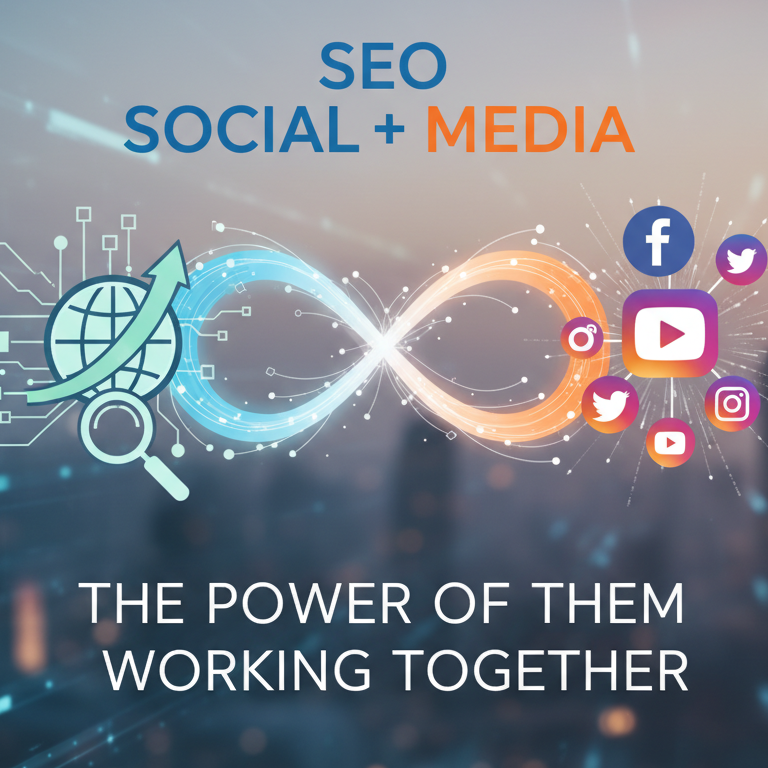
SEO and social media are two sides of the same digital coin. SEO ensures people find your content, while social media ensures they engage with it.
When you align both—creating optimized, valuable content and promoting it through engaging platforms—you establish a strong digital presence that builds authority, trust, and long-term growth.
In the fast-paced digital world, it’s no longer enough to focus on one. Brands that connect SEO and social media strategically are the ones that rise above the noise, dominate search results, and build loyal audiences that convert.